News
Ilinois feston për të dytin vit, “Ditën e Lirisë – Dita e Visar Zhitit”
Ilinois. 28 janar 2026
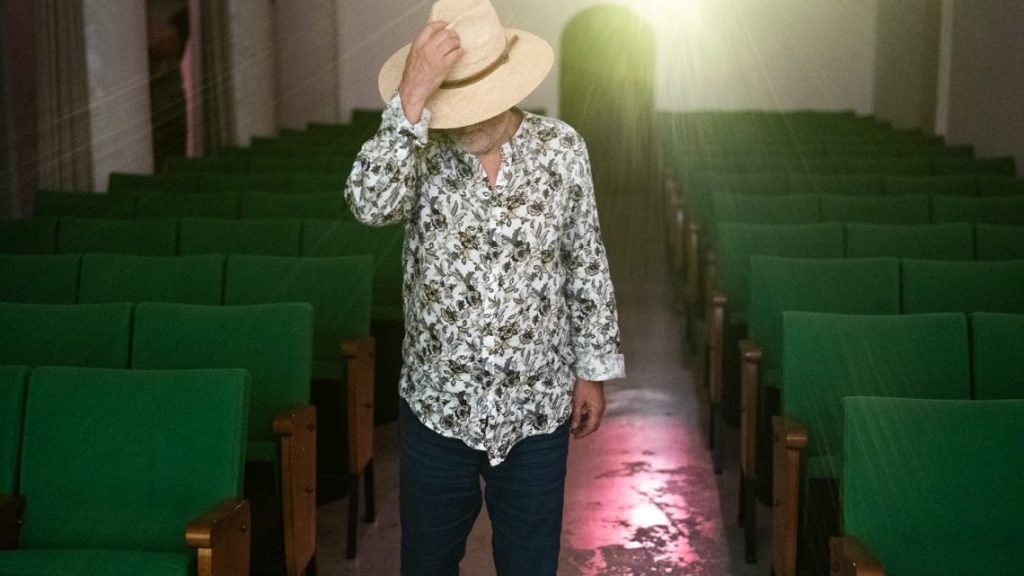
Festohet Dita e Lirisë. Komuniteti shqiptaro – amerikan në Ilionis të Shteteve të Bashkuara të Amerikës kremtoi më 28 janar Ditën e Lirisë, me një aktivitet kushtuar poetit dhe shkrimtarit të njohur Visar Zhiti.
“Visar Zhiti është një poet i shquar shqiptar, i burgosur në vitin 1979 për poezinë e tij dhe i dënuar me dhjetë vjet nga regjimi komunist. Kjo mbrëmje e veçantë zhvillohet në Ditën e Lirisë, e shpallur zyrtarisht në vitin 2025 nga Guvernatori JB Pritzker, për të përkujtuar lirinë e shprehjes dhe të ndërgjegjes.”- shkruhet ndër të tjera në postimin e Komunitetit shqiptar në Ilionis, i cili kishte organizuar një mbrëmje gjatë të cilës u krijua një hapësirë ku fjala poetike e Zhitit, u shfaq si dëshmi për burgimin, dinjitetin, mbijetesën dhe kuptimin e thellë të lirisë.
Në janar të vitit 2025 shteti i Ilionisit shpalli datën 28 janar si Ditën e Lirisë, në nderim të poetit dhe shkrimtarit Visar Zhiti. Kjo është data kur poeti dhe shkrimtari shqiptar është liruar nga burgu, ku vuante dënimin si një i burgosur politik për shkak të poezive të tij.
Shkrimtari lindi në Durrës, 2 dhjetor 1952. Në rininë e tij u përndoq nga regjimit komunist. Ai ka mbajtur detyrat më të larta në institucionet shqiptare si deputet, ministër dhe diplomat i shtetit shqiptar.
Në vitin 1973, ai shkroi përmbledhje me poezi, Rapsodia e jetës së trëndafilave. Ishte koha e Plenumit të 4-t të KQ të Partisë së Punës, në të cilin Enver Hoxha filloi një fushatë të egër kundër të rinjve që tërhiqeshin nga kultura perëndimore.
Poeti i ri u bë një nga viktimat politike të diktaturës. Dorëshkrimi i përmbledhjes, dorëzuar për botim në Shtëpinë Botuese “Naim Frashëri”, u konsiderua si një krijim me gabime të rënda ideologjike dhe që nxinte realitetin socialist.
Ai u arrestua më datë 8 nëntor 1979. U dënua në një gjyq farsë në prill të vitit 1980 me trembëdhjetë vjet burg. Nga burgu i Tiranës transferohet në burgun e Qafë Barit dhe në vijim në burgun famëkeq të Spaçit, i njohur për kushtet e këqija, keqtrajtimet dhe torturat që pësonin të burgosurit.
Ai u lirua nga burgu në fillim të vitit 1987 dhe nisi punën në një fabrikë të prodhimit të tullave në Lushnjë. Mbas rënies së diktaturës komuniste karriera e tij si shkrimtar, publicist, diplomat pati vetëm arritje.
Visar Zhiti përfaqëson figurën e njeriut të bukur dhe të qëndrestarit, që nuk e theu regjimi me trajtimin mizor në burg e jashtë tij.

PESHA E NJË FILMI NË JETËN E FISIT TË SYKAJVE
Tiranë më 14 nëntor 2025
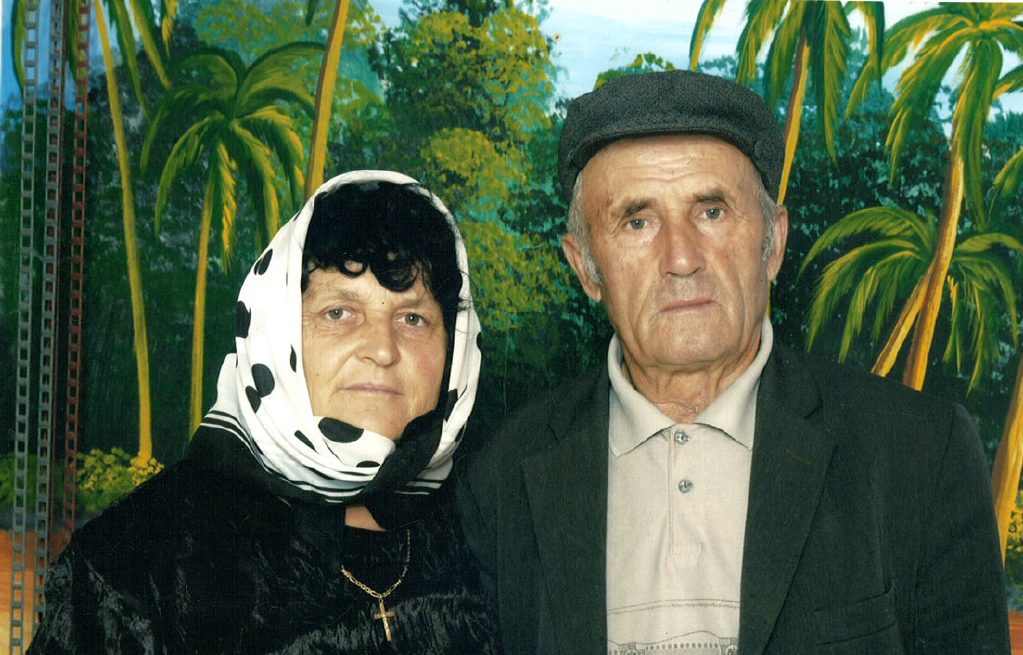
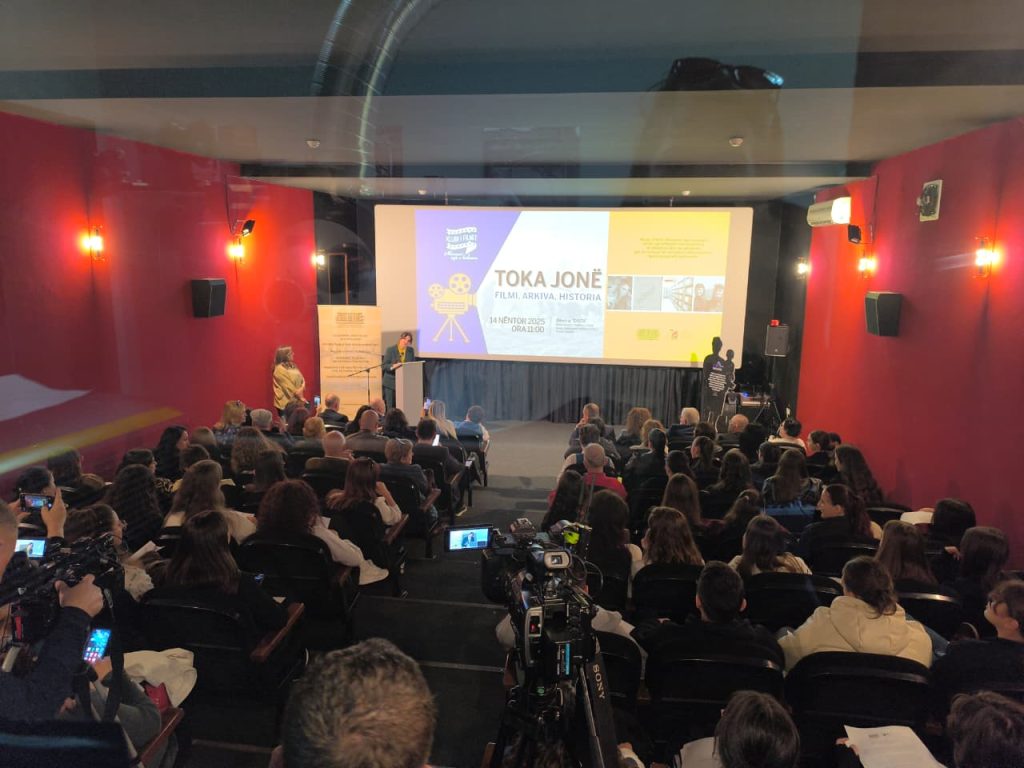
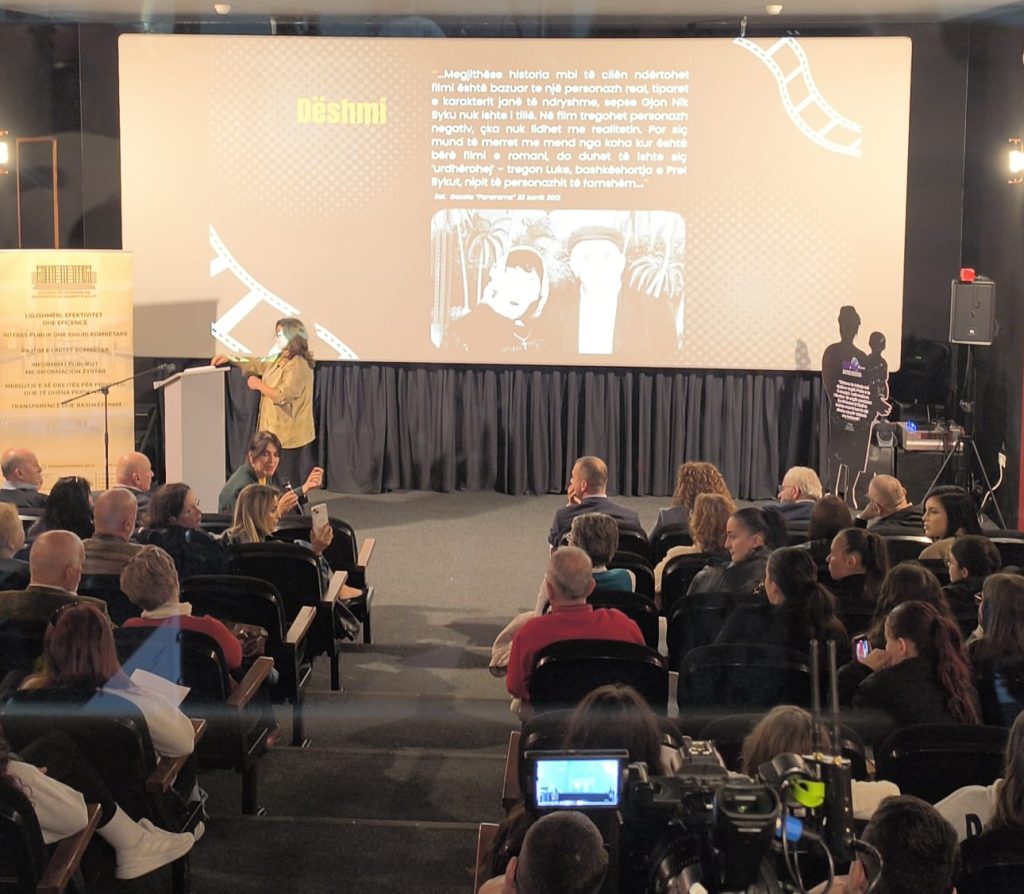
Prelë Syku, one of the political convicts of the Spaç prison-camp, was commemorated on Friday, 14 November 2025 at the State Central Film Archive. The documents of his persecution during the dictatorship, because he belonged to a “kulak” family, were shown to the public for the first time during the film club “We learn from the past”. In around 1500 pages from 2 investigative–judicial files and one form file, the persecution and conviction were revealed not only of Prelë Syku, but of the entire Syku clan in general. During the film club, parts were also given from his media interview precisely regarding the persecution and suffering of one of the richest and best-known clans of the Bregu i Matës.
Their only fault was because they were rich and followers of Gjon Nik Syku, embodied in drama and cinema as Tuç Maku, the negative character, the kulak who sabotaged the Agrarian Reform. The weight of this film marked the life of the Sykus, where 7 of them were sentenced to prison or internment. This is also testified by Prela’s son, Davidi. He recalled the history of his family and Bregu i Matës, describing the consequences of the agrarian reform and the persecution of landowner families who did not reconcile with the communist regime. David Syku highlighted communist indoctrination and propaganda, including the drama and film “Our Land”, written by the teacher Kol Jakova to support the system.
Prela himself in an interview given years earlier in the media, expressed that: “The film ‘Our Land’ has been implemented on our lands with Gjon Nik Syku with the pseudonym Tuç Maku, even there in one place the Syku barn is mentioned. When Kol Jakova came here he saw the situation, he saw the peasants as they went after the agrarian reform, he saw the owner of the house who went on horseback after them where they were leaving him a piece of land just to live, and he shot the film ‘Our Land’”. Prelë Syku was arrested in the year 1951 and was sentenced to 30 years in prison, of which he served 12. He was arrested again in the year 1978 and re-sentenced to 10 years for “agitation and propaganda”. David Syku described visits to prisons such as Spaç, Ballsh, Tirana and Shkodra, and the touching moments of family meetings with his father. On the spac.al page there is also one of the letters that Prelë Syku sent to his family from Spaç.
The Film Club, an initiative of AIDSSH with the State Central Film Archive, aims to bring a new, balanced reading based on documents. The initiative is part of the Educational Platform “We learn from the past -with open educational resources ’44 -‘91”, which offers teachers, students and researchers digitized archival materials, selected film passages, survivors’ testimonies, discussion modules guided by experts of education, history and art. The goal is to build critical thinking and to understand more clearly the connection between art, propaganda and the oppression of social groups, by bringing to light the truth distorted by the ideology of the dictatorship.

“Libraria njerëzore” në Spaç
18 Tetor 2025
The organization “Tek Bunkeri” organized the activity “Human Bookshop in Spaç” with former political persecuted persons, former members of the Spaç administration and young people in Spaç. 25 former political persecuted persons, together with former members of the Spaç administration, faced the questions and curiosity of young people, in a rare space of dialogue, where memory and reflection took human form. In conversations with the young people, memories, reflections and emotions left suspended for decades were shared. One of these conversations brought together Xhevdet Dani, former Spaç policeman, with Zenel Drangu, former political prisoner, a moment that embodied the courage to confront memory and to speak about human pain. Also, Ndue Fufi, 81 years old, former deputy-commissar, took part in the activity despite his health condition. He came to this prison after 40 years, to confront the memories of the past and himself. With a heartfelt call, he invited all former members of the Spaç administration to ask for forgiveness, if they have committed unjust acts against political prisoners, because, as he said, “forgiveness shows citizenship.” This activity was part of the project “SHPIRTËRIM”, supported by the EU4Culture program, financed by the European Union and implemented by UNOPS, in cooperation with the Ministry of Culture, Tourism and Sports.
Foto nga Renis Hyka
"Spaç 1973 - Martyrs of Freedom" is screened in Korça
4 October 2025
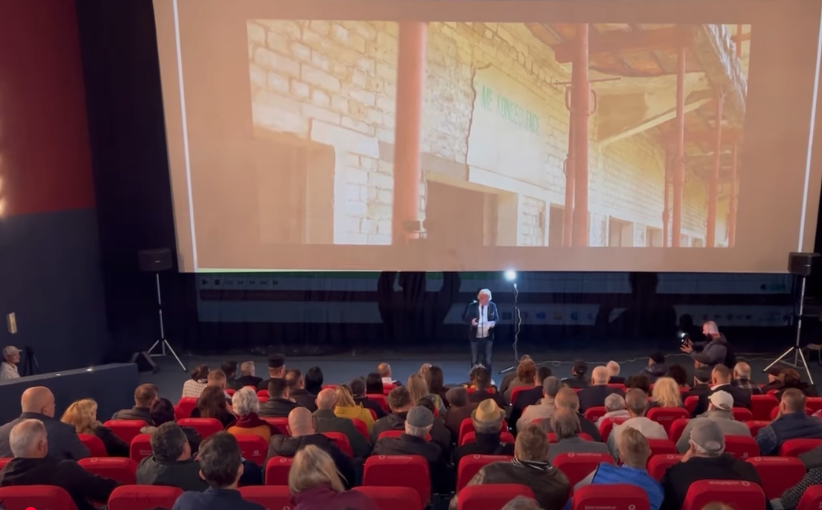
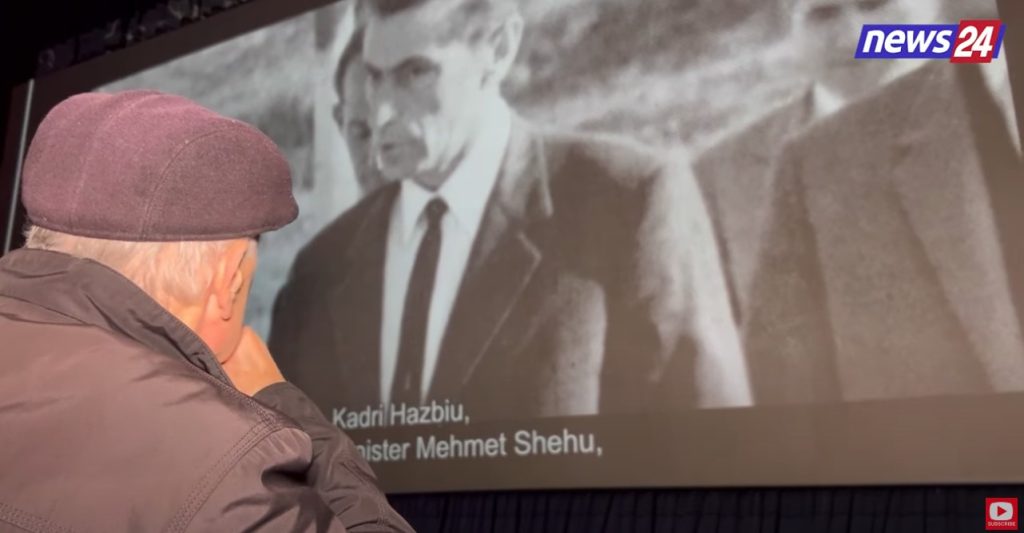
The documentary “Spaç 1973 -Martyrs of Freedom”, after Tirana, was shown at the beginning of the month of October in the city of Korçë. The documentary brings testimonies, narratives of survivors and archival materials that recall one of the most courageous acts of anti-communist resistance in Albania, are part of the documentary which aims to preserve historical memory, to honor the martyrs of freedom and to convey to the younger generations the message that truth and dignity cannot be suppressed by violence.
To watch the news on YouTube click here.
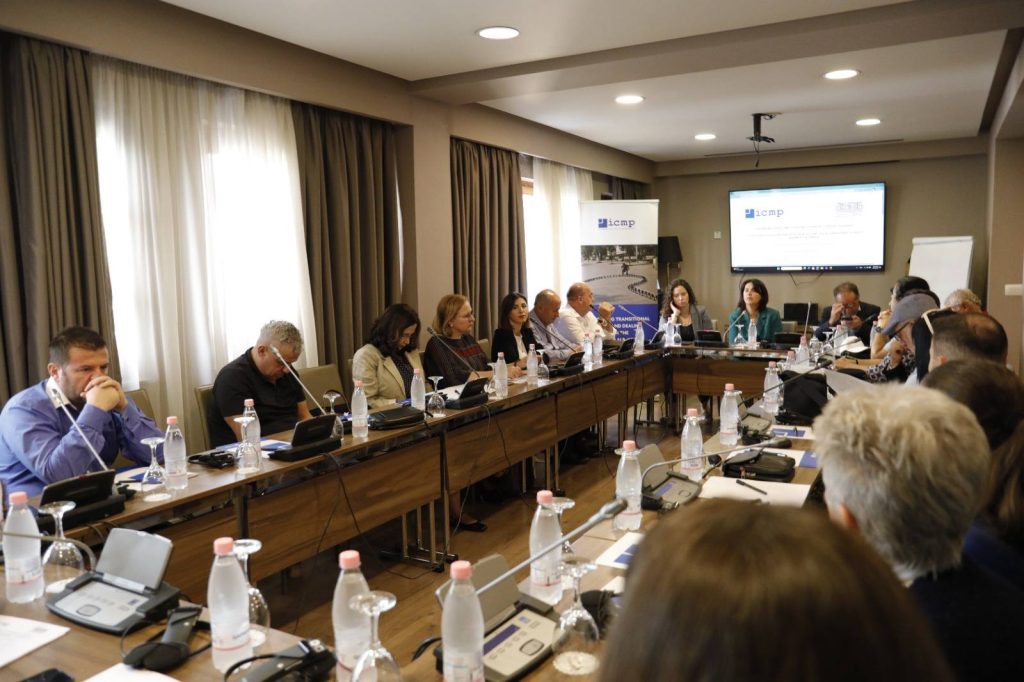
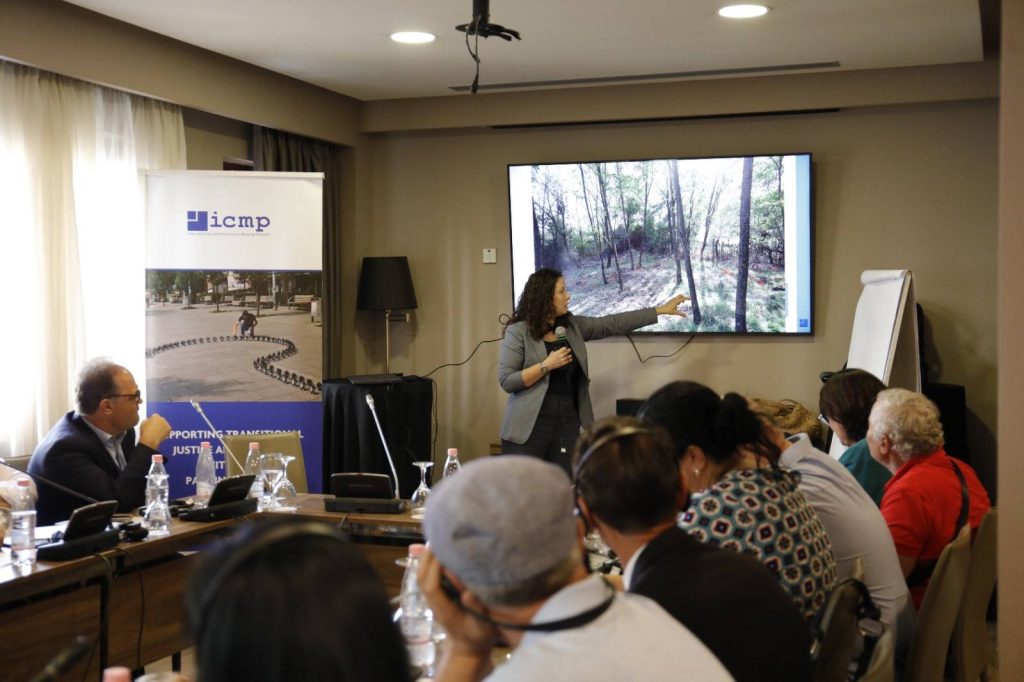
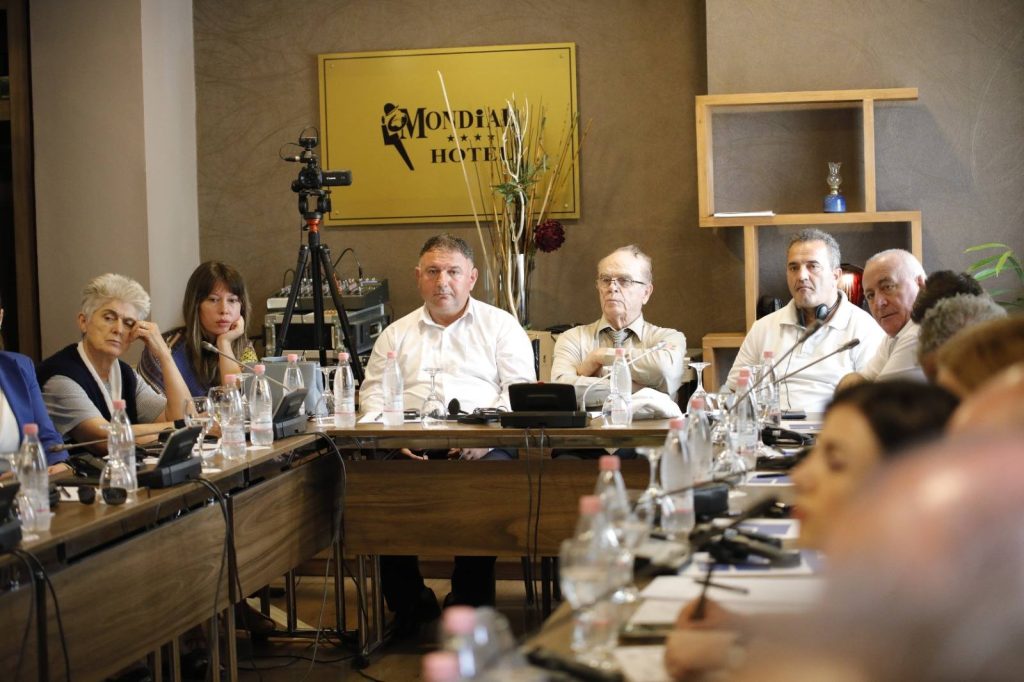
The Missing of Spaç, ICMP and AIDSSH, surveys in suspected burial sites
30 September 2025
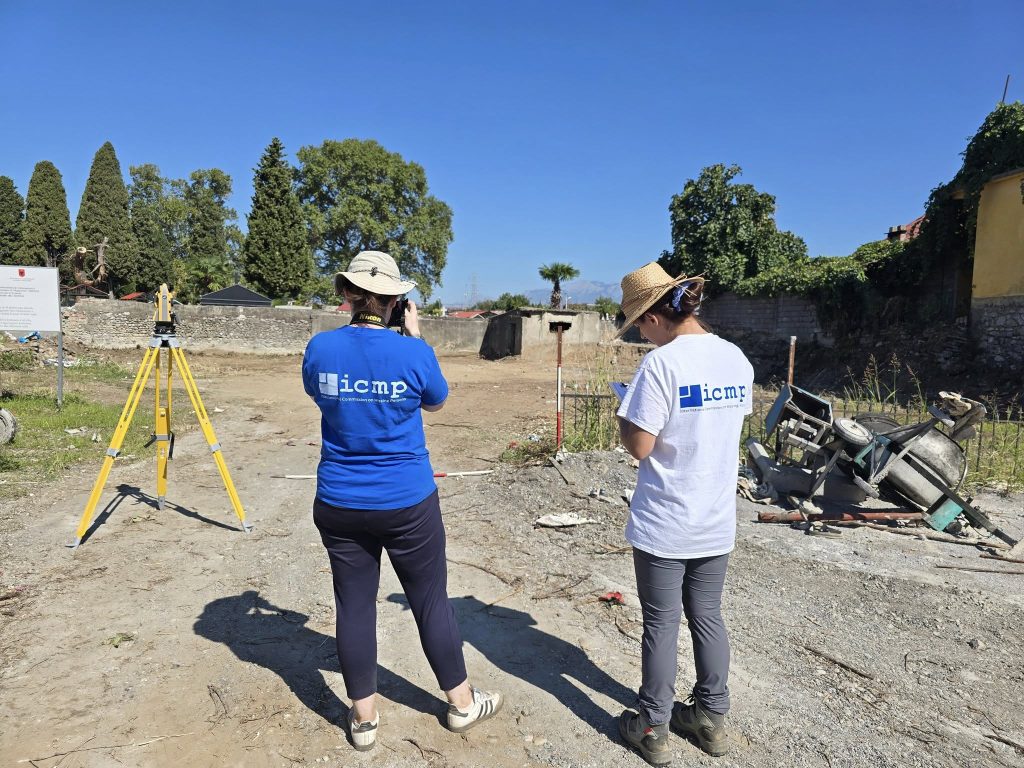
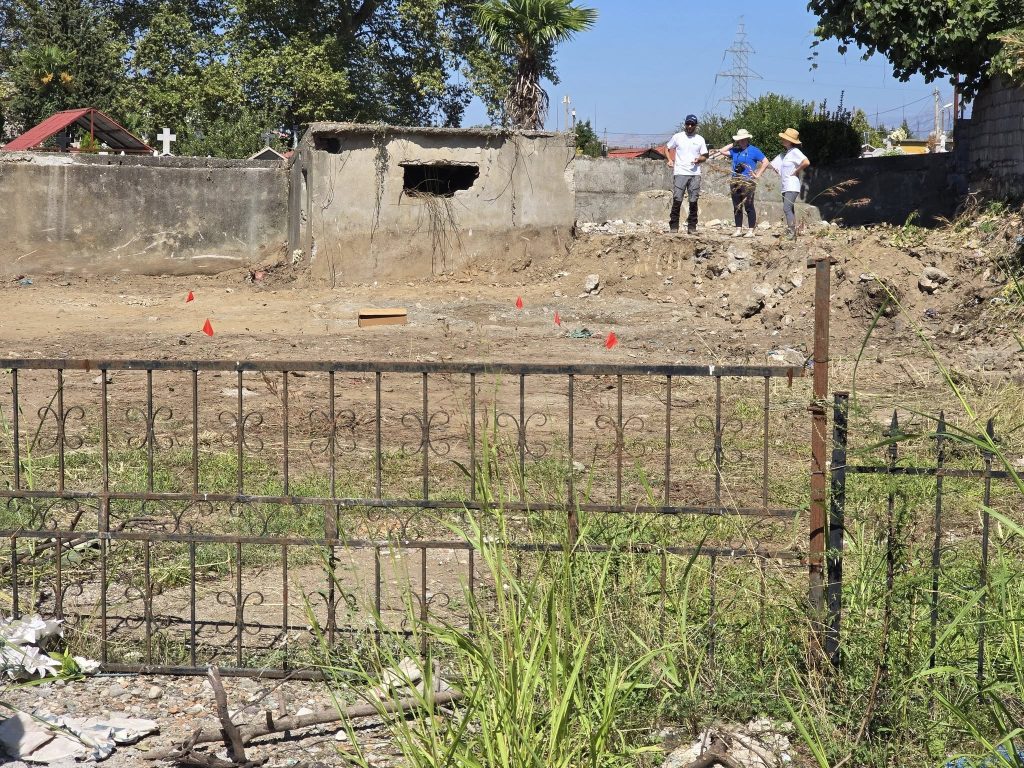
The two suspected burial sites in Shpal, Mirditë, result with very high expectation for the presence of remains of missing persons. The results are part of a survey that a group of archaeologist and anthropologist experts in cooperation with AIDSSH experts carried out during the third week of September. The surveys that were carried out during the third week of September were also carried out in 4 other suspected burial sites. The results were optimistic and challenging. Optimistic regarding the possibilities of finding remains, but at the same time they show serious challenges related to difficult terrain, mountainous areas, landslides, overlapping structures, ownership issues, as well as the need for careful administration of findings and DNA analyses.
In one of the suspected burial sites it is thought that may be the remains of the missing in the Spaç prison-camp, among them also the four executed of the Spaç Revolt, Skënder Daja, Pal Zefi, Dervish Bejko and Hajri Pashaj. Their bodies were disappeared by the regime, after the execution. On 30 September 2025 the Authority for Information on the Documents of the former State Security (AIDSSH) held a working meeting with Ms. Samara Krehic, head of the program for the Western Balkans of the International Commission on Missing Persons (ICMP), to determine the further steps of cooperation after the completion of the surveys in six suspected burial sites in Albania.
Within the framework of the cooperation agreement between the Government of Albania and the International Commission on Missing Persons (ICMP), as well as in implementation of the UN Convention against enforced disappearances and Law no. 45/2015, the Authority for Files, in cooperation with the OSCE Office in Tirana, has also prepared a draft Council of Ministers Decision that determines the authorities responsible for finding, identifying and recovering the remains of missing persons or executed persons during the period of communism (1944–1991), as well as for the protection of burial sites identified or suspected as such. As an institution very close to families harmed by communism, the Authority is following step by step this painful, but necessary process to restore the denied dignity of the victims of communism.
For more information about this event, click here.
The book “Ridënimi”, finalist for the “Angelus” award
30 September 2025
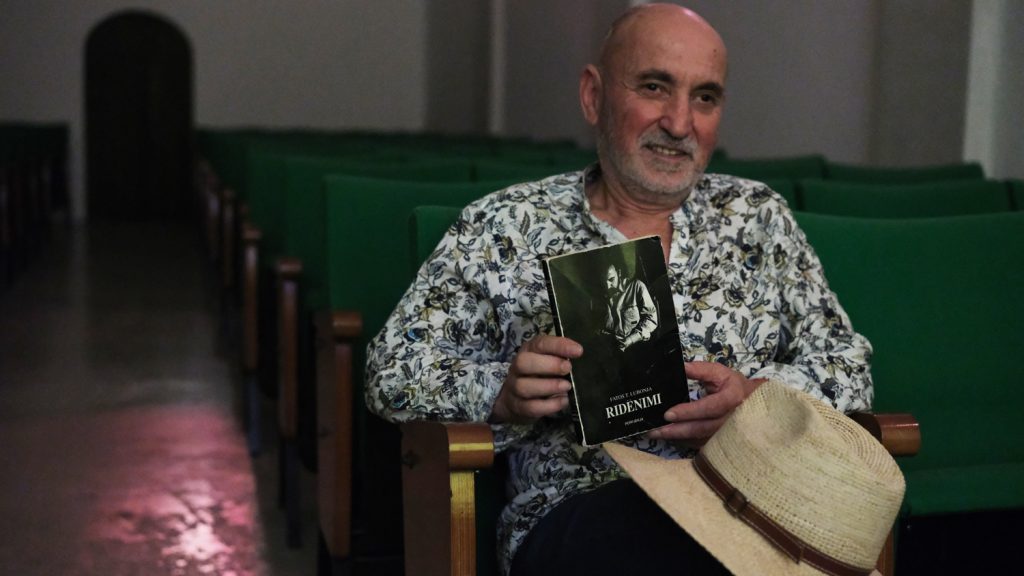
The book “Ridënimi” by publicist Fatos Lubonja is finalist for the “Angelus” award that is held on 18 October in Wrocław, Poland. The news was given by the translator of Albanian literature into Polish, Dorota Horodyska, after the announcement on the official page of the award. This is made known by reporter.al.
“Ridënimi” documents the events in Spaç prison from the summer of 1978 to May ’79, for a staged trial behind closed doors, that accuses Lubonja as part of an “antisocialist counterrevolutionary organization”, together with other political prisoners. Three of his fellow sufferers, Vangjel Lezho, Fadil Kokomani and Xhelal Koprencka are executed by firing squad, he himself is sentenced for the second time to 25 years in prison.
For more information about this event, click here.